IV. Demographics and Population Trends of Reserve Connected Communities
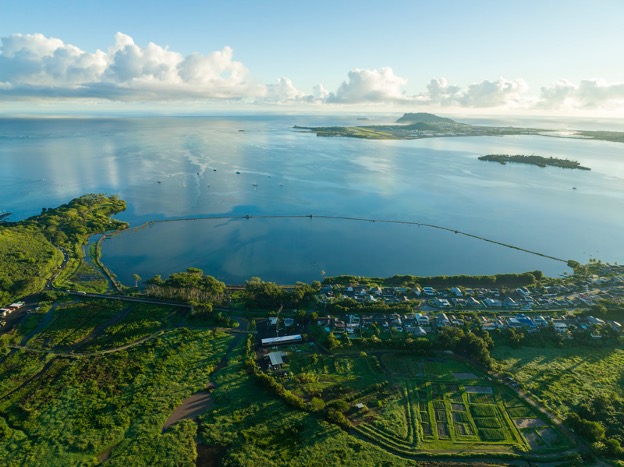
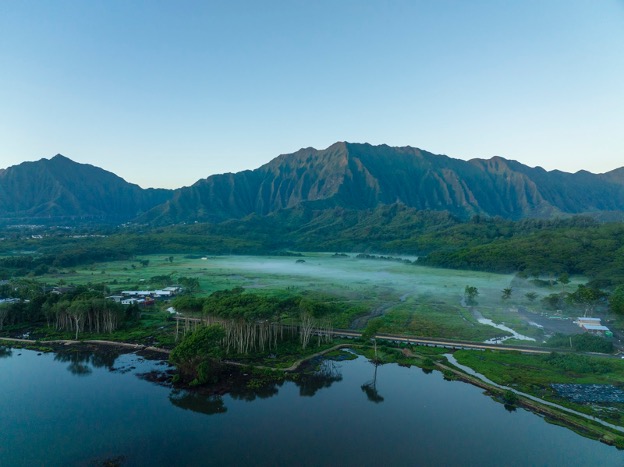
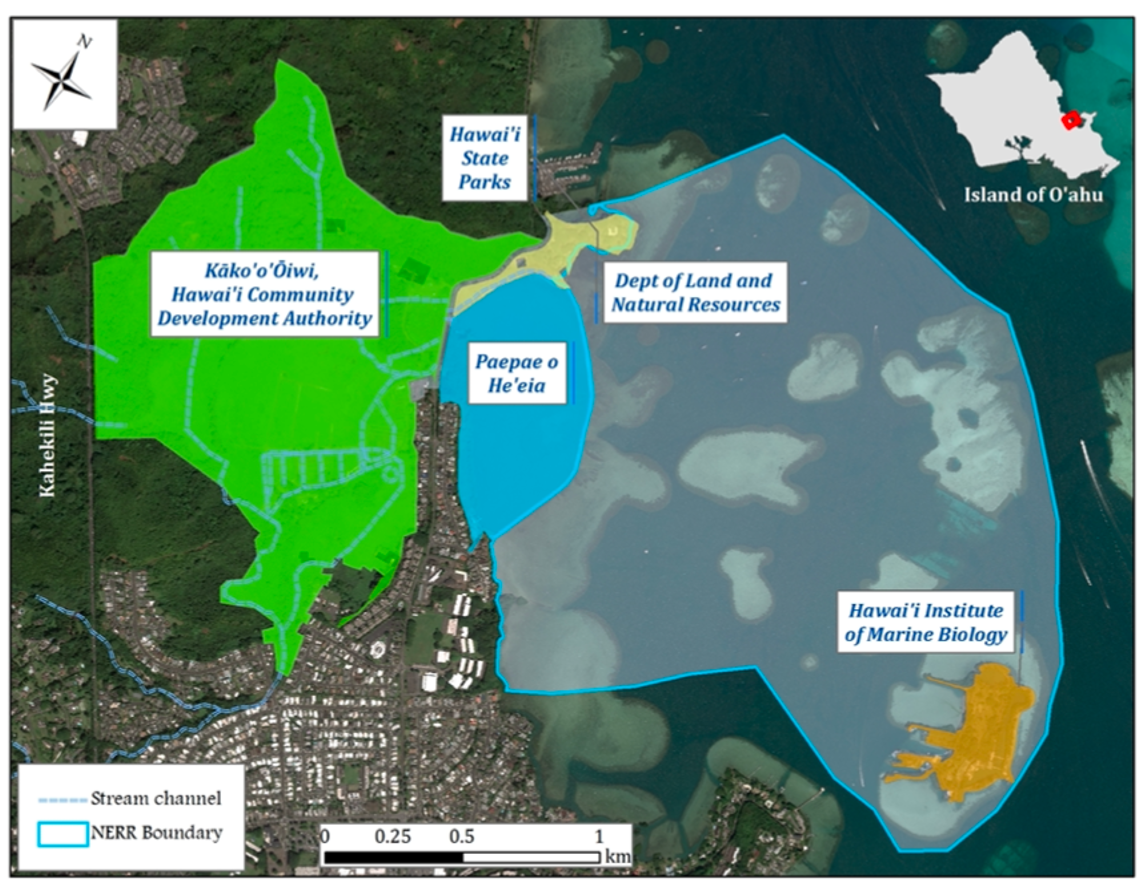
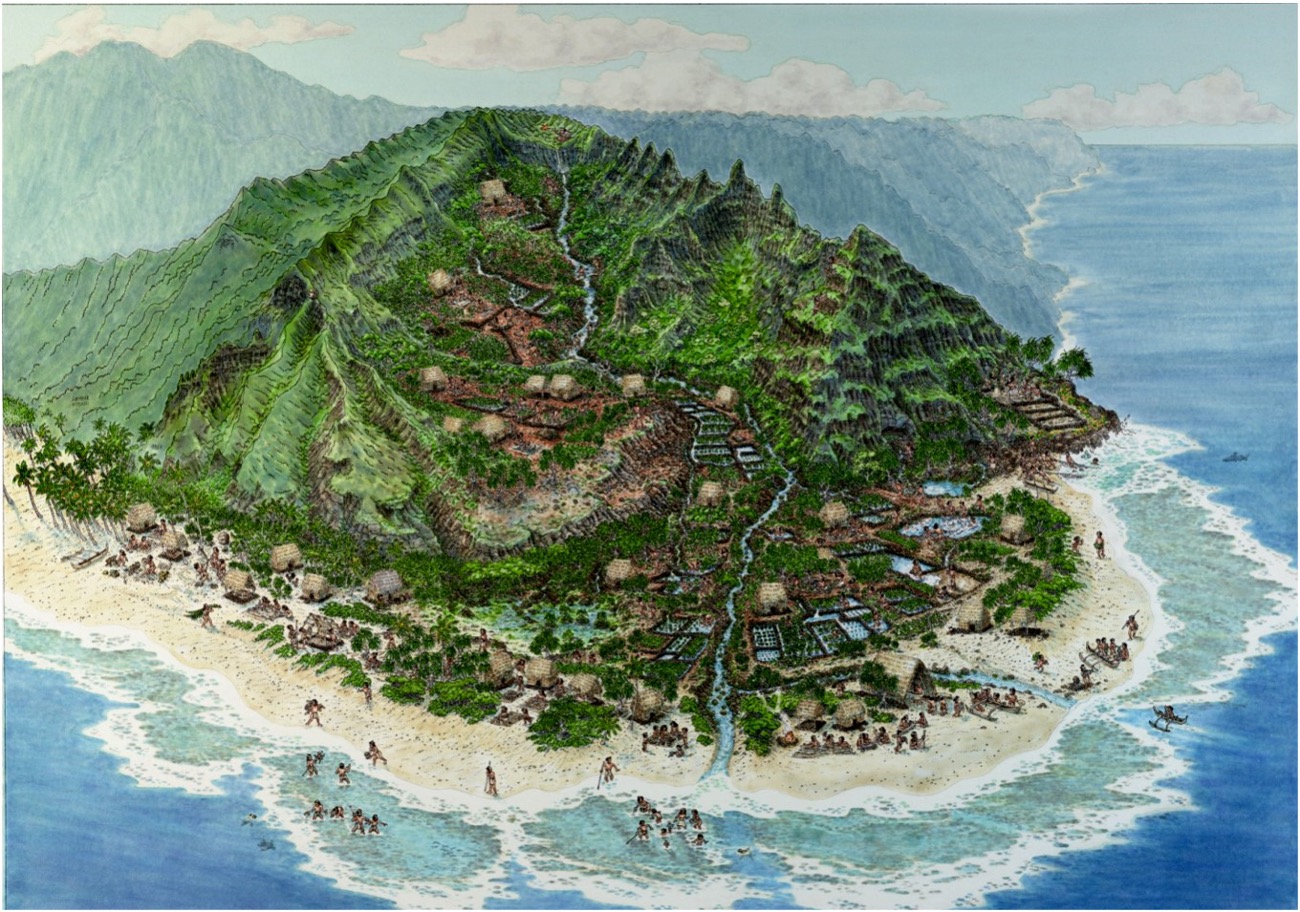
The Koʻolaupoko moku and, in particular, the ahupuaʻa of Heʻeia sustained a dense population (Cruz and
Hammatt 2012) based on robust and flourishing agricultural and aquacultural resources.
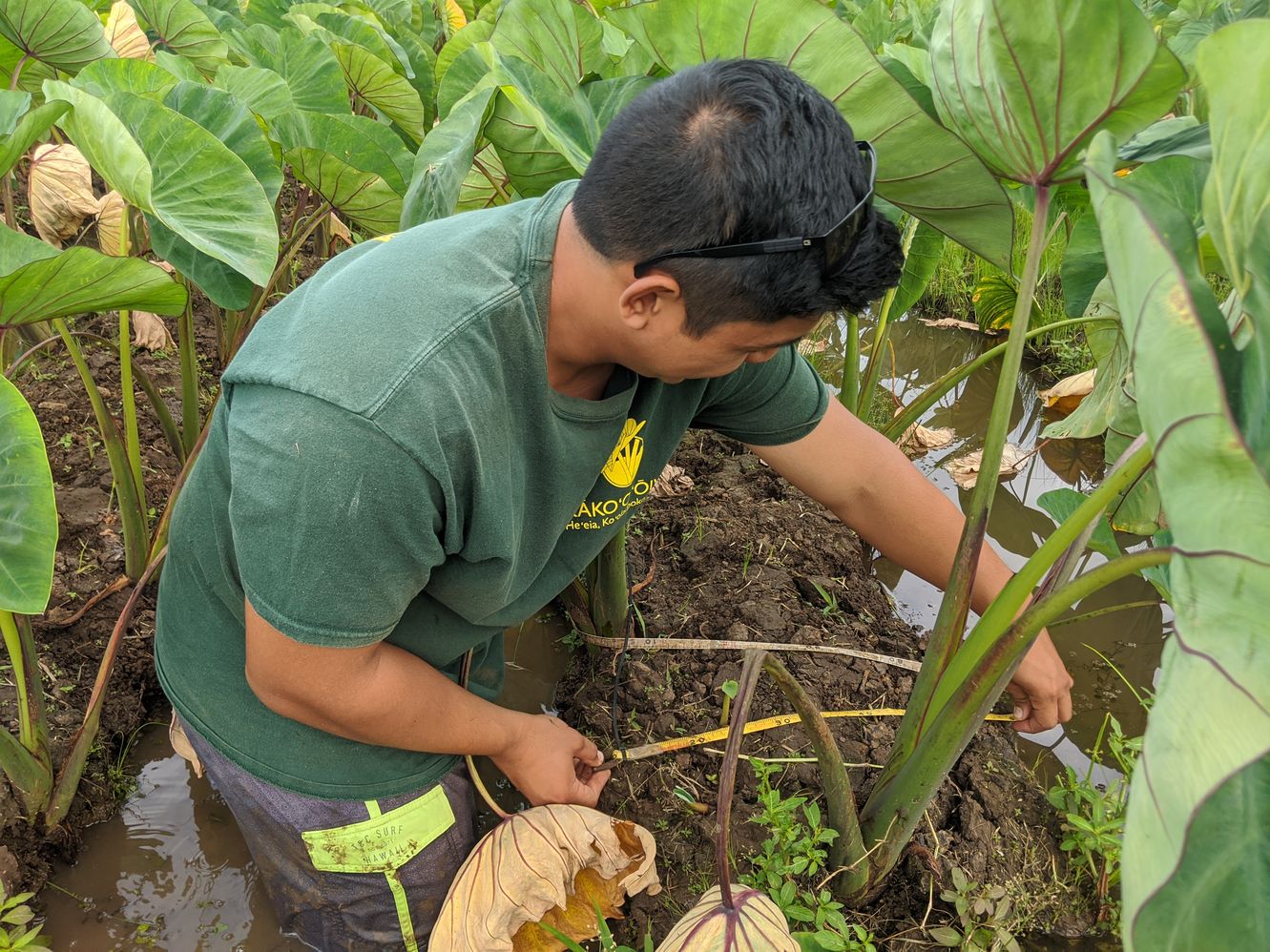
Owing to the frequent rainfall, abundant water resources, and fertile alluvial soil, Koʻolaupoko is known
to have contained extensive early wetland agricultural complexes (Handy and Handy 1972).
Of the nine ahupuaʻa surrounding Kāneʻohe Bay, Waiāhole and Waiheʻe are conservatively estimated to have
contained 310 and 100 acres of loʻi, respectively, prior to 1778, while similarly large areas were
cultivated in Kaʻalaea, Kahaluʻu, Heʻeia, and Kāneʻohe (Devaney et al. 1982).
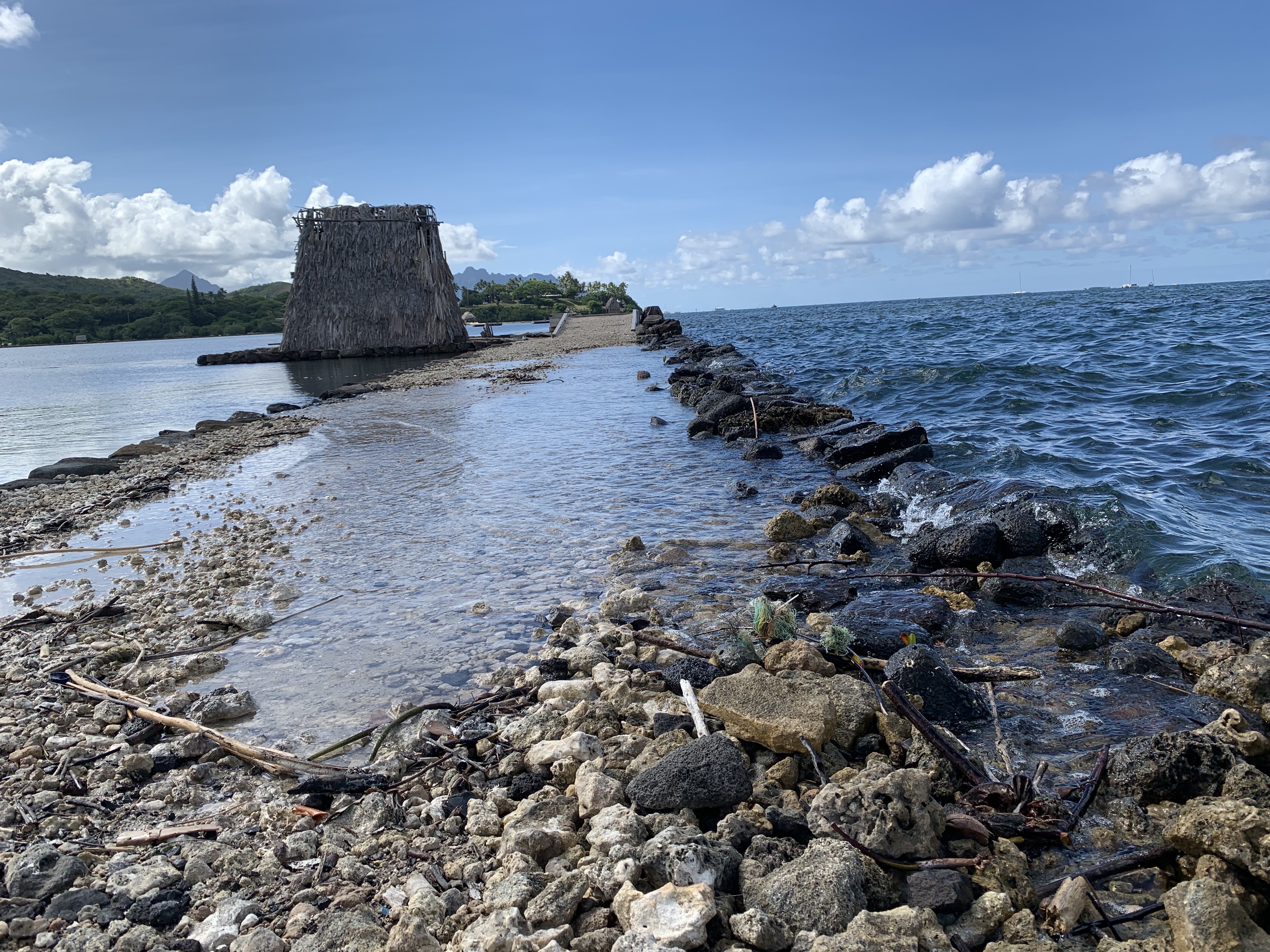
The Māhele (land division) records indicate that the area also included numerous shoreline fisheries,
including at least 30 loko iʻa that spanned 30% of the shoreline in Kāneʻohe Bay (Devaney et al. 1982).
Between the 1840s and 1850s, more than 60 land commission awards were issued for Heʻeia, reflecting the
ability of this ahupuaʻa to support a vibrant and self-sustaining community.
The population of the area declined severely, as it did throughout the islands, following Western contact
and colonization. Disease, land privatization, upheaval of traditional socio-economic systems, and
migration to urban areas led to abandonment of agricultural and aquacultural resources, and paved the way
for successive waves of commercial plantation ventures.
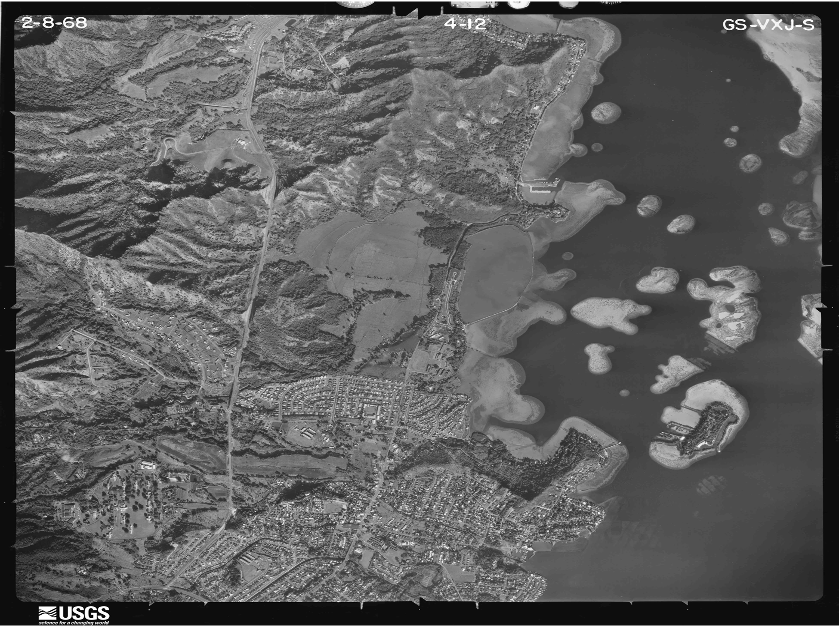
Koʻolaupoko, particularly the ahupuaʻa of Kāneʻohe adjacent to Heʻeia, became suburban after World War II,
when tunnels and routes through the Koʻolau Mountains connected Kāneʻohe and Kailua with Honolulu.
Residential construction took off in the 1960s.
In the Heʻeia area, homebuilding peaked in the 1970s.
Plans for further urban development in Heʻeia and valleys to the north were put forward in this period,
but were opposed by Heʻeia and Waiāhole–Waikāne-area residents.
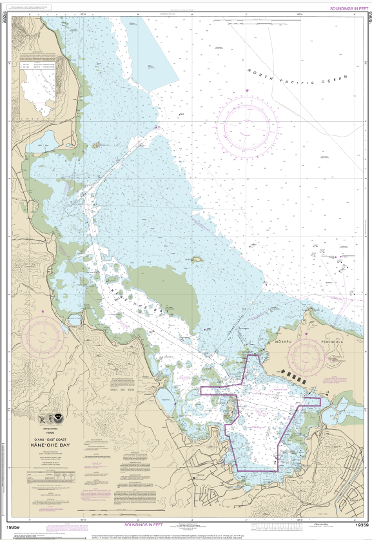
The Kāneʻohe Zip Code Tabulation Area (ZCTA) includes all the land surrounding Kāneʻohe Bay except for the
Marine Corps base that occupies the Mōkapu Peninsula.
As of 2013 the Kāneʻohe ZCTA contained 52,509 residents and 17,152 households.
Compared to the demographic profile of the City and County of Honolulu the age structure of Heʻeia and
surrounding areas is slightly older, with a median age of 41.5 years.
Nearly all residents are Hawaiʻi-born, and the ethnic mix of the population is similar to that of the
state as a whole.
Detailed demographic characteristics of residents of the Kāneʻohe Zip Code Tabulation Area are shown in
the Heʻeia NERR Management Plan.
Despite many changes over time, the people of the area maintain deep connections to the places where they
live, fish, hunt, farm, and recreate.
Glossary of Hawaiian Words
The ʻokina and the kahakō are diacritical markings that are part of the Hawaiian alphabet and used in
Hawaiian words. The ʻokina, or glottal stop, is found only between two vowels or at the beginning of a
word that starts with a vowel. A break in speech is created between the sounds of the two vowels. The
pronunciation of the ʻokina in the word Kākoʻo is similar to saying “ka-koh-oh.” The kahakō is found only
above a vowel. It stresses or elongates a vowel sound from one beat to two beats. The kahakō is written as
a line above a vowel. There are differing pronunciations of some words depending on the area or island.
The glossary can be found here, and is
always available in the side navigation menu that appears on all webpages included in the site profile.